

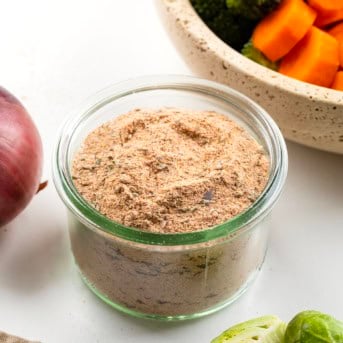
I use this homemade Italian Seasoning all the time, especially in my Lemon Garlic Chicken! It is one of those spice blends I always like to have on hand because it makes just about everything taste better. Sprinkle it on chicken, vegetables, pasta, potatoes, and more for an easy way to add lots of herby flavor with ingredients you probably already have in your pantry.
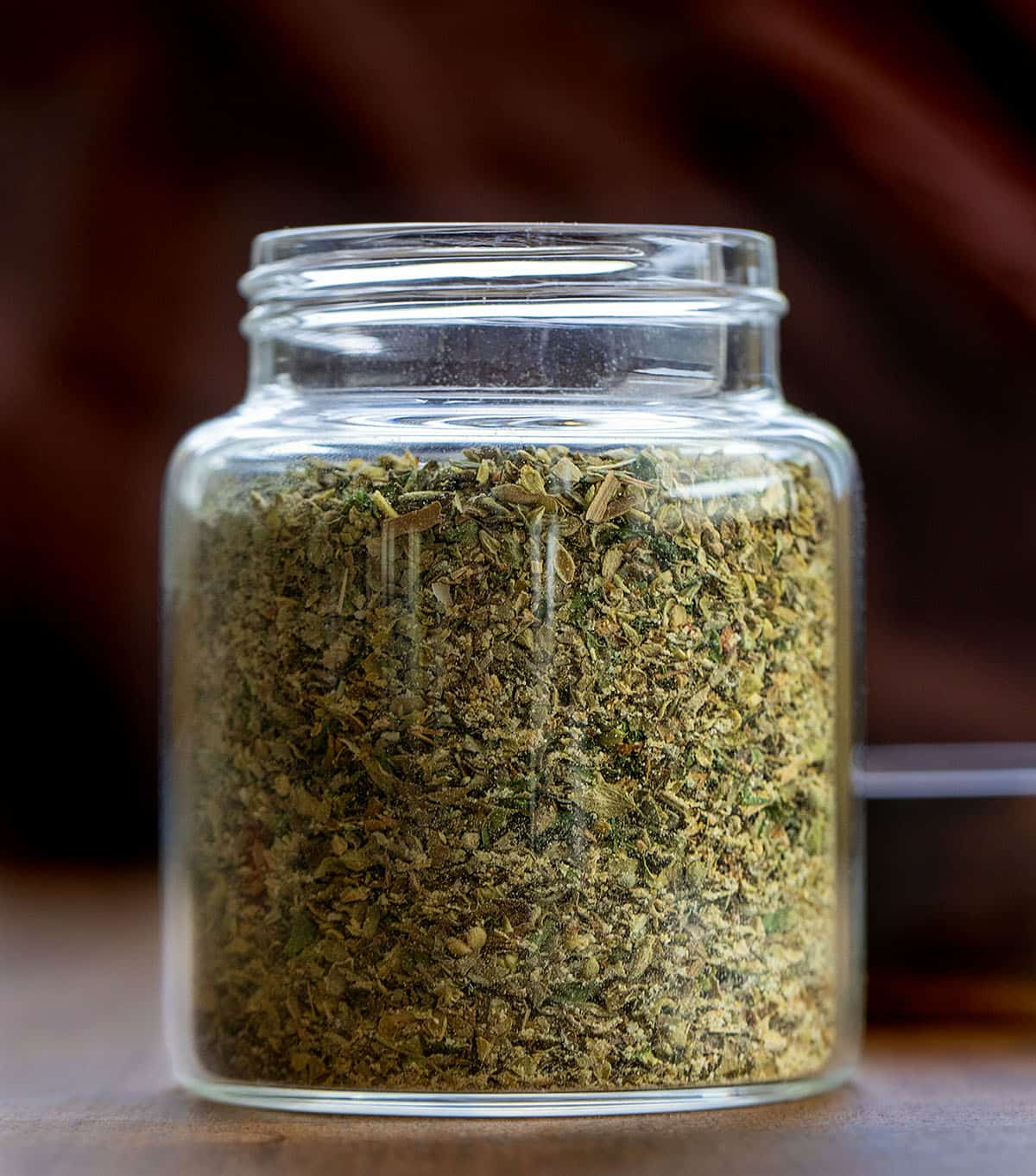
Ingredients & Substitutions
- Dried Oregano: Oregano is the main flavor in Italian seasoning. It adds a warm, slightly peppery taste that works well in everything from pasta sauces to roasted vegetables.
- Dried Basil: Basil adds a sweet, mild flavor that balances the oregano and gives the blend its classic Italian taste.
- Dried Thyme: Thyme brings an earthy flavor that pairs well with chicken, beef, pork, and vegetables.
- Dried Marjoram: Marjoram is similar to oregano but a little milder and sweeter, adding even more herb flavor.
- Dried Rosemary: Crushed rosemary adds a woodsy flavor. Crushing the leaves helps them blend more evenly with the other herbs.
- Dried Sage: Sage adds a savory flavor and gives the seasoning a little more depth.
- Dried Parsley: Parsley adds a fresh, mild herbal flavor that balances the stronger herbs.
- Garlic Powder: Garlic powder adds savory flavor that works with just about everything.
- Onion Powder: Onion powder rounds out the blend with a mild, slightly sweet onion flavor.
- Optional Additions: This seasoning is delicious as written, but you can easily customize it with red pepper flakes, crushed fennel seed, or dried lemon zest.
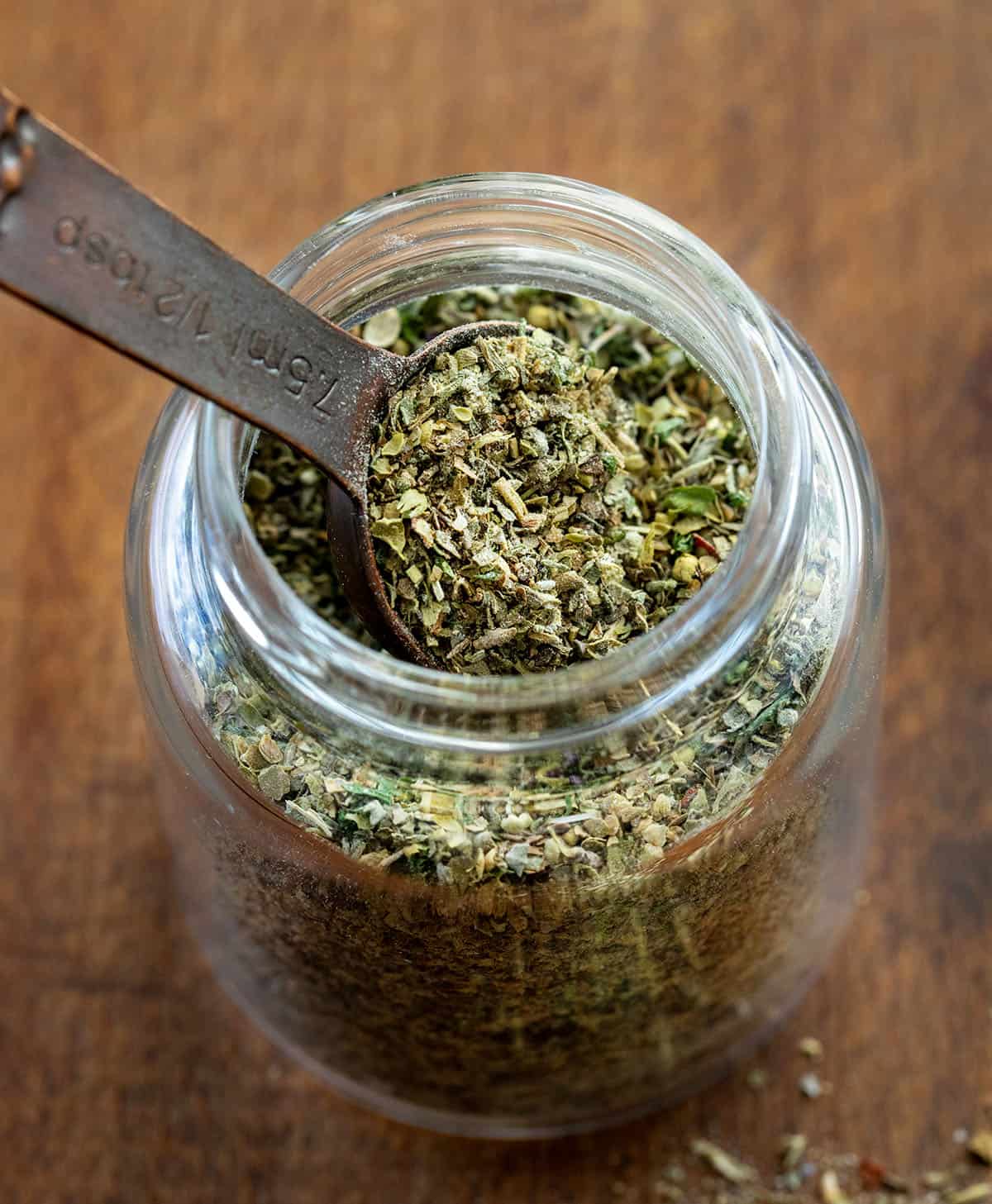
Make This Italian Seasoning Your Own
I tested this blend on chicken, roasted potatoes, and a simple tomato sauce. The current ratios gave the best balance without any single herb standing out too strongly. But, one of my favorite things about making homemade seasoning blends is that you can adjust them to fit your taste. Try one (or all!) of these easy additions:
- Red Pepper Flakes: Add a pinch for a little heat. Start small and add more if you like a spicier seasoning.
- Crushed Fennel Seed: Fennel adds a subtle, sweet, savory flavor that is especially delicious in pasta sauces, meatballs, and sausage dishes.
- Dried Lemon Zest: Lemon zest adds a bright, fresh flavor that pairs well with chicken, seafood, roasted vegetables, and potatoes.
Homemade vs Store-Bought
Most grocery store Italian seasoning is fine in a pinch, but the flavor is often muted. Homemade versions taste brighter because the herbs are fresher and you control the ratios. You also avoid anti-caking agents or extra salt that some brands include.
FAQs
Can I use fresh herbs instead of dried?
For this seasoning blend, dried herbs work best. They mix together easily, store well, and give you a seasoning you can keep in your pantry. Fresh herbs contain moisture, so they won’t last as long and are better added directly to recipes.
Is homemade Italian seasoning the same as store-bought?
Most store-bought Italian seasoning blends use similar herbs, but the amounts can vary from brand to brand. Making your own lets you control the flavor and skip any ingredients you don’t want. Plus, it is easy to adjust with optional add-ins like red pepper flakes, fennel seed, or dried lemon zest.
What can I use Italian seasoning on?
Italian seasoning is one of the most versatile spice blends to have on hand. Sprinkle it on chicken, pork, seafood, potatoes, vegetables, pasta, pizza, soups, or salads. You can even stir it into olive oil or butter for an easy bread dip or spread.
Can I adjust the herbs in this blend?
Absolutely! One of the best things about homemade seasoning blends is making them your own. If you like a stronger rosemary flavor or prefer a little more basil, adjust the amounts to match your taste. You can also add optional ingredients like red pepper flakes, fennel seed, or dried lemon zest for even more flavor.
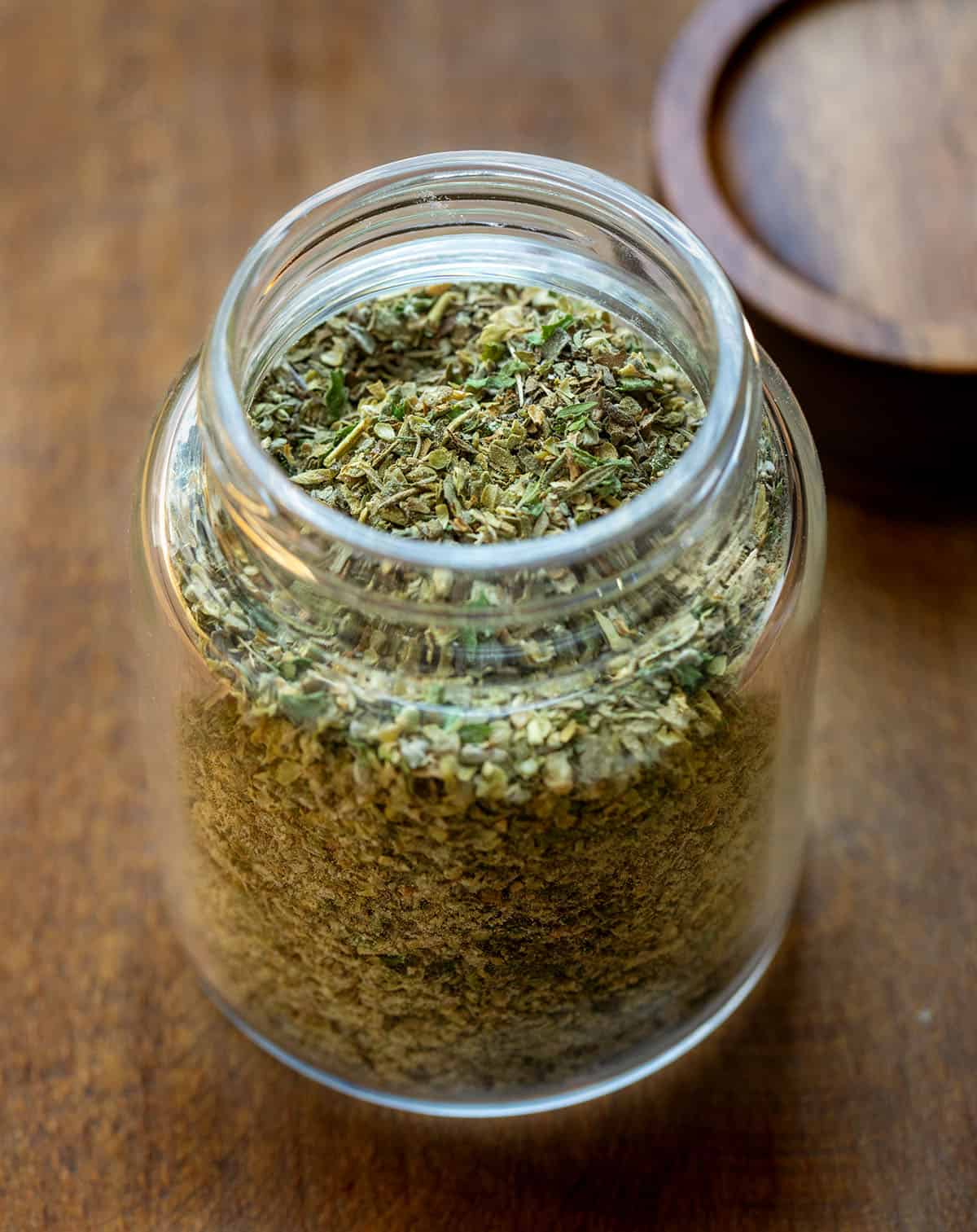
Ways to Use Italian Seasoning
This homemade Italian Seasoning is one of those blends I reach for again and again. It adds big flavor with very little effort, and it works in so many recipes!
- Chicken: Sprinkle it over chicken before baking, grilling, or roasting. It is one of my favorite ways to add flavor to simple chicken dinners like my oven-baked chicken bites.
- Vegetables: Toss vegetables with olive oil and Italian Seasoning before making your sheet pan roasted vegetables.
- Pasta: Stir it into pasta sauces, creamy sauces, or pasta salads like my Pepperoncini Pasta Salad.
- Potatoes: Add it to roasted potatoes, French fries, or mashed potatoes.
- Soups and Stews: A little Italian Seasoning adds extra flavor to tomato-based soups, chicken soups, and more. Try it in my One Pot Italian Sausage Tortellini Soup!
- Bread and Dips: Mix it into butter, olive oil, or cream cheese for an easy, flavorful spread.
How to Store Italian Seasoning
Store homemade Italian Seasoning in an airtight container, like a small jar or spice container, in a cool, dry place away from direct sunlight. A pantry or spice cabinet works great!
For the best flavor, use the seasoning within 6 months. It will still be safe to use after that, but the herbs may start to lose some of their flavor and aroma over time.
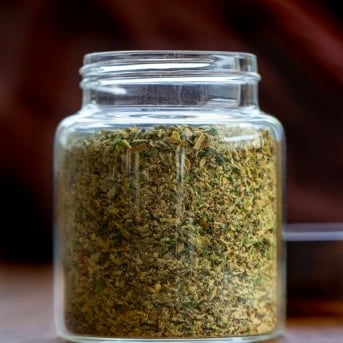
Italian Seasoning
Ingredients
- 3 tablespoons dried oregano
- 2 tablespoons dried basil
- 1 tablespoon dried thyme
- 1 tablespoon dried marjoram
- 2 teaspoons dried rosemary, crushed
- 1 teaspoon dried sage
- 1 tablespoon dried parsley
- 2 teaspoons garlic powder
- 1 teaspoon onion powder
Instructions
- Add the oregano, basil, thyme, marjoram, rosemary, sage, parsley, garlic powder, and onion powder to a small bowl or jar.
- Stir or shake until the seasonings are evenly combined.
- Transfer the seasoning to an airtight container and store in a cool, dark place for up to 6 months for the best flavor.
Did you make this recipe?
You can tag me at @iamhomesteader.

How much of each spice for the Italian Seasoning?
They are right in the recipe card, above the comment section. 🙂 Here they are again:
Ingredients
▢3 tablespoons dried oregano
▢2 tablespoons dried basil
▢1 tablespoon dried thyme
▢1 tablespoon dried marjoram
▢2 teaspoons dried rosemary, crushed
▢1 teaspoon dried sage
▢1 tablespoon dried parsley
▢2 teaspoons garlic powder
▢1 teaspoon onion powder
This Italian seasoning can you make Italian dressing with it and what is the recipe please?
Here is a recipe: https://iamhomesteader.com/italian-dressing/